THE MOVIE

DOCUMENTARY | 48 MIN | 2025 | UHD STEREO
–––––––––
FOUR VARIATIONS ON THE SAME CALLING
In the French Alps, from rocky slopes to coniferous forests, over the course of a single day, four shepherds share their stories. Each of them has chosen a life on the edge—between society and the wild—and has turned to this profession out of love for the mountains. But beyond the cliché, what meaning does each one find in their calling?
WORDS OF THE SHEPHERDS
TO BE FOUND IN THE FILM
–––––——————––––

"For me it's a job, if I can't do it with meaning... When I say meaning, I mean that it benefits the sheep, and for the sheep to benefit, the mountain has to be healthy. For me, our job is to manage this balance, to respect the place that feeds our animals and that feeds us. It's a circle.
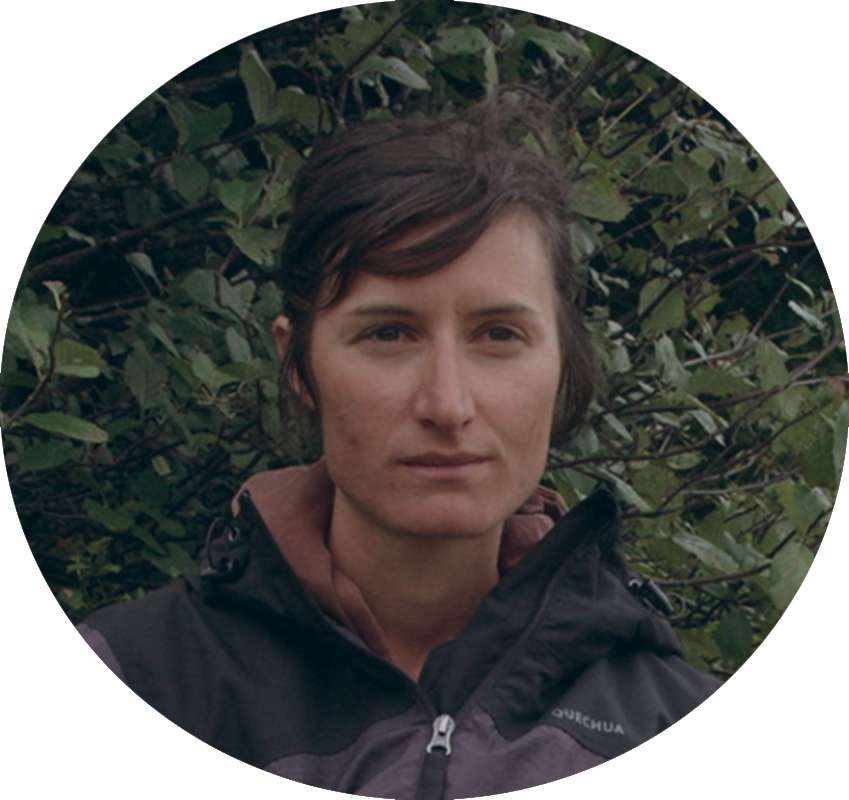
"In a word, for me shepherding means the sheep in the mountain. And I wouldn't like the opposite so much - the sheep without the mountain. Voilà."

"I'd say that shepherding isn't freedom, because it isn't, but still... The epinal image of the shepherd isn't entirely true, but we live in a magnificent setting. We've chosen it and we love it, for others it's the sea, but I have moments when I feel privileged."
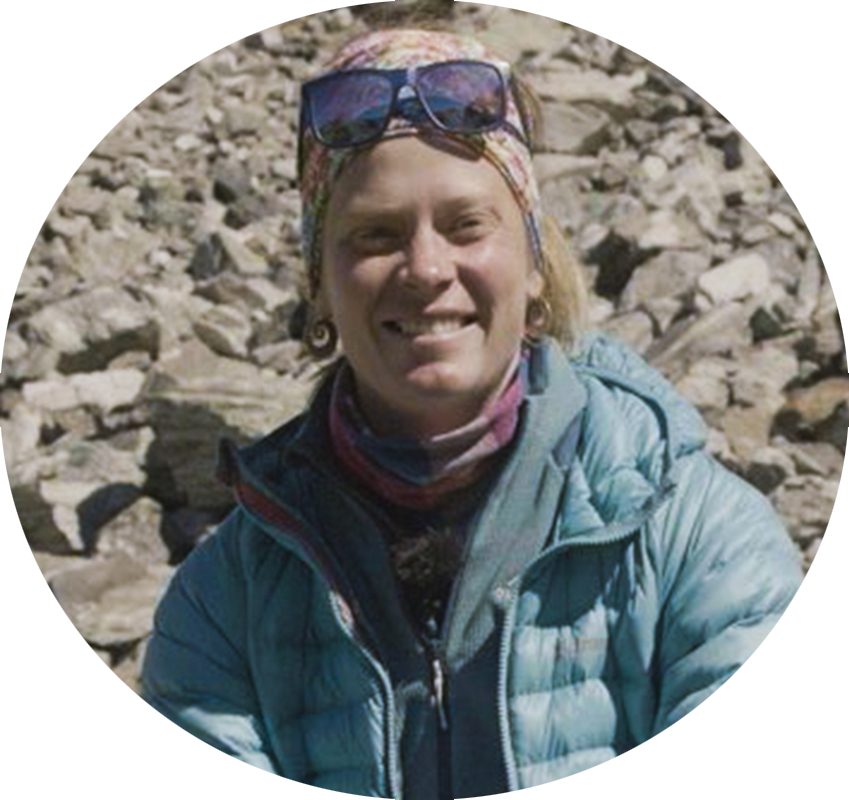
"It's a great job. But you have to realize that there are some difficult aspects. We work outside, so whatever the weather - rain, cold, hail, storm - we're always with them. Or animals that get hurt that we have to kill. There are lots of little facets where you have to be a bit strong and physical too, because here it's all uphill. But even if it's a difficult job, we only keep the good aspects and we'll be back next year."
A WORD FROM THE DIRECTOR
AN ATMOSPHERIC DOCUMENTARY
––––––––——————–
The production was guided by an empathetic approach, with the aim of conveying the impression of each shepherd's personality: through attitudes, long-drawn-out breaths and repetitions of language. This documentary is also didactic. Their interviews provide us with a wealth of information on a wide range of subjects: our relationship with the living world, neo-ruralism, a way of life on the bangs, the stress caused on a daily basis by the weather and predation by wolves, environmental management of the mountains...
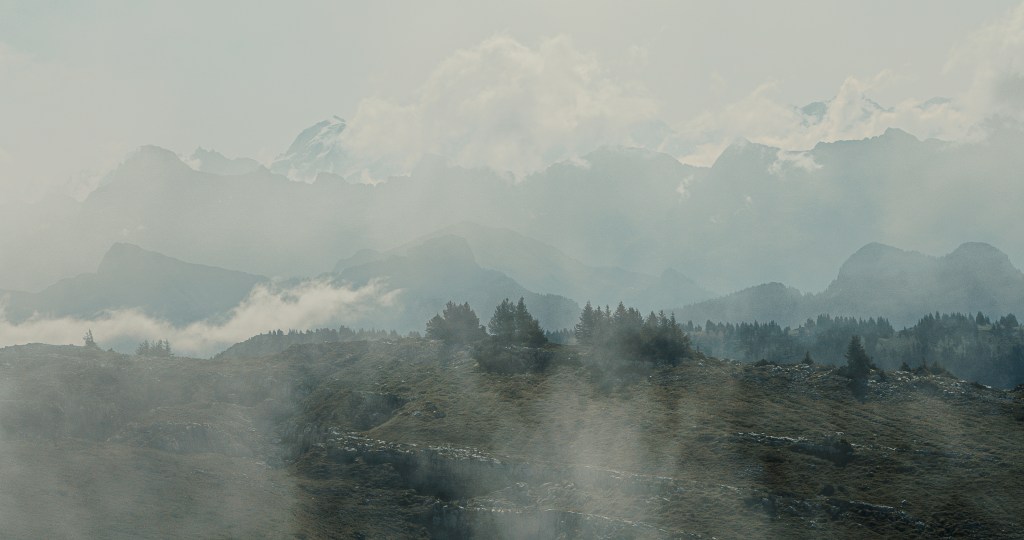
As soon as I started writing, I set out to create a narrative through research into image quality. That's why I called on Aurélien Py, a cinematographer, to work with me on the shoot. While outdoor mountain films tend to focus on speed and power, the focus here is on depth of field and time. In this way, the narrative is structured by space. It's not the action that conveys the "drama", but the expanse and atmosphere that carry the story. In this way, the mountain pastures become entities. In a similar vein, we find no timelapse effect to accelerate the movement of a landscape. The present is apprehended through its presence.
As soon as I started writing, I set out to create a narrative through research into image quality. That's why I called on Aurélien Py, a cinematographer, to work with me on the shoot. While outdoor mountain films tend to focus on speed and power, the focus here is on depth of field and time. In this way, the narrative is structured by space. It's not the action that conveys the "drama", but the expanse and atmosphere that carry the story. In this way, the mountain pastures become entities. In a similar vein, we find no timelapse effect to accelerate the movement of a landscape. The present is apprehended through its presence.
Aurélien and I have deliberately excluded the use of drones, with their omnipotent aerial views, from our audiovisual grammar. In keeping with our subject, we remain at human level, through the eyes of the living. We don't put the viewer in the position of master of the domain. The mountain is larger than we are, and shines with the sublime.
With Laurent Mollard of Studio Gaïné - based in the Vercors region in thee French Alps - on sound mixing, we worked on the ambience, trying to make the atmosphere palpable. Added to this, the cadence of Théodore Jacquet-Lagrèze's electronic music takes the narrative towards dreamlike breaths. In a flow of air, the musical score shifts us away from a certain naturalism towards elsewhere.
A DAY | A SHEPHERD in the French Alps is an empathetic and informative experience, unfolding mountain spaces in an immersive sensation.
Camille Walter
With Laurent Mollard of Studio Gaïné - based in the Vercors region in thee French Alps - on sound mixing, we worked on the ambience, trying to make the atmosphere palpable. Added to this, the cadence of Théodore Jacquet-Lagrèze's electronic music takes the narrative towards dreamlike breaths. In a flow of air, the musical score shifts us away from a certain naturalism towards elsewhere.
A DAY | A SHEPHERD in the French Alps is an empathetic and informative experience, unfolding mountain spaces in an immersive sensation.
Camille Walter